Types of ankle supports
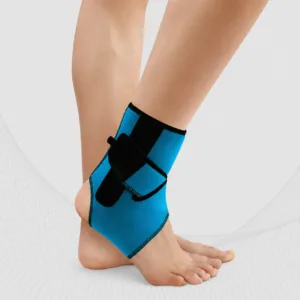
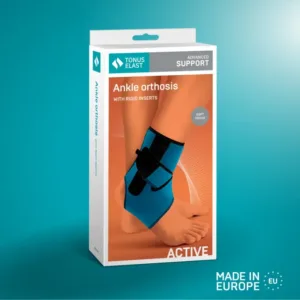
- Elastic support bandages and support socks. Knitted or neoprene support provides even pressure and warmth and fits well in shoes. It is suitable for light support in sports and everyday use, for example Rehband QD Ankle Support Brace.
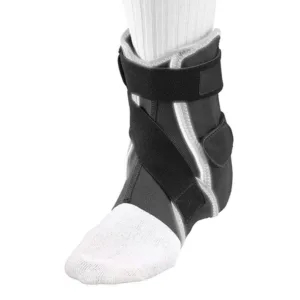
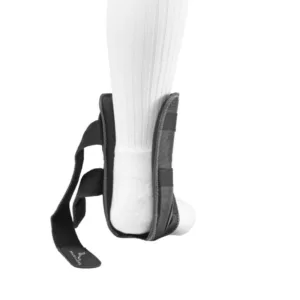
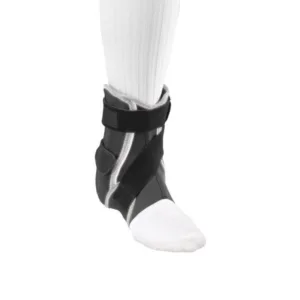
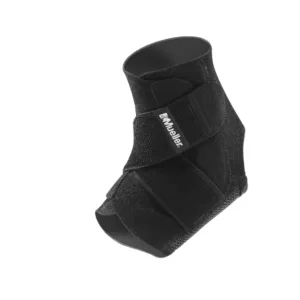
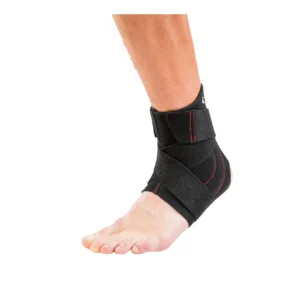
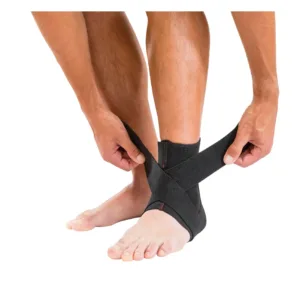
- Support bandages with straps. Straps that wrap around the instep and ankle in a figure-of-eight pattern help to limit the ankle from turning inward or outward. They are often used in ball games and after sprains, for example. Mueller The One ankle support.
- Side-support and rigid orthoses. Padded or rigid side supports provide more support for the ankle joint and limit lateral movement, but allow the foot to bend up and down. For example, Mueller Lite ankle support orthosis.
- Other aids. The category also includes some foot aids, such as hallux valgus orthosis and heel cushion. In addition, you will find a hands-free crutch here, which helps you move when you cannot lean on your injured foot.
How to choose an ankle orthosis?
- Support strength. A lightweight elastic support is suitable for preventive wear and for minor complaints. If you have repeatedly sprained your foot or the joint feels unstable, choose an orthosis with straps or side supports.
- Footwear. The support is usually worn over a sock and inside the shoe. Make sure the support fits in the shoe and does not pinch.
- Size. Depending on the product, the size is selected based on the shoe size or measured circumference - the measurement location and size chart are included with the product.
- Right or left foot. Most braces fit both feet, but some orthoses are designed for one foot.
Try it on site at our Tallinn stores (Lastekodu 31 and Tähesaju tee 11) – bring shoes that you will wear with support.
When to use an ankle support?
Ankle braces are used to help with recovery from sprains, to prevent repetitive sprains in sports, and when the joint feels weak or unstable. In addition to braces, balance and strength exercises are important for joint recovery – read how prevent ankle injuries. For a fresh sprain, see how to give first aid using the RICE method.
See a doctor if you cannot put weight on your foot after an injury, your ankle is severely swollen or misaligned, or if the pain and swelling do not start to decrease within a few days. For a more severe sprain or ligament tear, choose a support with your doctor or physiotherapist.
Wearing and care
- Place the brace on your foot while sitting and tighten the straps so that your ankle is supported but your toes do not become numb or cold.
- Wear the support over a sock to prevent chafing, and check your skin after prolonged wear.
- Wash the support according to the manufacturer's instructions and air dry.
Frequently asked Questions
What is the difference between an ankle brace and an orthosis?
A brace is elastic and provides light pressure and warmth. An orthosis is more robust – with straps, side supports or a rigid shell – and more securely limits lateral ankle movement.
Can an ankle brace be worn during exercise?
Yes. Many people wear a brace or strapped support during ball games and running to provide better support for the joint. In addition to the support, it is also worth doing balance exercises, such as: on a balance cushion.
How long should you wear an ankle brace after a sprain?
This depends on the severity of the injury and the length of your recovery. If you have seen a doctor or physiotherapist, follow their advice. In sports, a brace is often used for some time after the pain has subsided.
Can an ankle support fit into a shoe?
Most flexible supports and low-profile orthotics will fit into a regular athletic shoe. A stiffer orthotic may require a slightly looser shoe, so check the fit with your shoe.
Should I tape or wear a brace?
Both are used to support the ankle. Sports tape needs to be re-applied each time and requires skill, while the support can be used repeatedly and adjusted yourself. See also how to tape the ankle with sports tape.


 Selection helpWhich orthosis is right for you?Knee, ankle and wrist orthoses with light, medium and strong support – choose the body part and situation.Find the right orthosis →
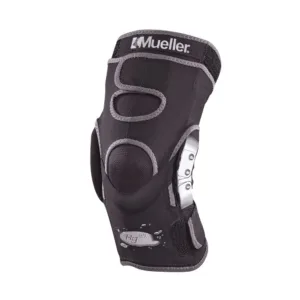 EnimmüüdudMueller® Hinged Knee OrthosisHinged support for the knee after injury and in sports.€64.50View product →