For sports injuries, quick and proper first aid is critical — taking the right action in the first few minutes can significantly shorten recovery time. The RICE method is a classic first aid technique for acute soft tissue injuries, which has now been supplemented with more modern protocols such as PEACE & LOVE.
What does RICE mean?
RICE is an acronym for four basic steps: Rest (vacation), Ice (ice), Compression (compression) and Elevation (elevation). This method is used during the first 48-72 hours after an acute injury. The goal is to reduce swelling, pain, and internal bleeding.
The method is suitable for the following injuries:
- Muscle strains and tears
- Ankle and knee sprains
- Ligament strains and partial tears
- Tendon injuries
- Muscle contusions (contusions)
- Soft tissue swelling and bruising
RICE step-by-step guide
Rest (REST)
Stop sports or physical activity immediately. The injured area should be spared to prevent further damage.
- Do not lean on the injured leg — use crutches
- Place the injured arm in a sling.
- Activities that cause pain should be avoided.
- The rest period lasts 24–72 hours, depending on the severity of the injury.
Important: Rest does not mean complete immobility. Light movement with uninjured body parts is permitted and even recommended.
Ice (ICE)
Cold therapy constricts blood vessels, reduces swelling, and relieves pain. Apply immediately after an injury.
- Place an ice pack or cold pack on the injured area
- Always an intermediate layer (towel, cloth) — ice should not touch the skin directly
- Keep cold 15–20 minutes at once
- Repeat every 2–3 hours within the first 48–72 hours
- Do not leave ice on for longer than 20 minutes — risk of frostbite
Contraindications:
- Raynaud's disease or circulatory problems
- Cold allergy (cold urticaria)
- Open wounds at the injury site
- Sensory disorders (neuropathy)
Compression (COMPRESSION)
An elastic bandage limits the spread of swelling and supports the injured area.
- Use an elastic bandage, starting at the injury site. below
- Tie with sufficient tension, but not too strong
- Check regularly: fingers/toes should not become numb, blue or cold
- The bandage can be loosened at night.
- Compression knee and ankle supports are a good alternative
Elevation (ELEVATION)
Elevating the injured limb above the heart will reduce swelling using gravity.
- Injured leg lying on pillows
- Injured arm above chest
- Maintain an elevated position as much as possible for the first 48 hours
- Elevation is especially important during sleep.
Modern approach: PEACE & LOVE
Modern sports medicine has further developed the RICE method. PEACE & LOVE The protocol (Dubois & Esculier, 2020) divides first aid into two phases:
PEACE (first 1-3 days):
- P — Protection: Avoid activities that aggravate the pain
- E — Elevation: raise the injured limb above the heart
- A — Avoid anti-inflammatories: inflammation is part of the healing process
- C — Compression: elastic bandage to limit swelling
- E — Education (awareness): give the body time to heal, avoid unnecessary procedures
LOVE (after the first few days):
- L — Load: gradual addition of load according to symptoms
- O — Optimism: A positive attitude improves recovery
- V — Vascularisation: painless aerobic exercise to increase blood flow
- E — Exercise: restoring mobility, strength, and proprioception
When to consult a specialist?
See a doctor immediately if:
- Severe painthat does not improve with rest and pain medication
- Joint instability — feeling like the joint is giving way
- Numbness, tingling or discoloration of a limb
- Visible deformation — possible fracture
- The swelling does not decrease Within 48–72 hours
- Unable to bear body weight injured leg
- The injury was caused by a strong force (fall from a height, collision)
Primary distinction between injury types
| Type of injury | Symptoms | First aid |
|—|—|—|
| Muscle strain | Sharp pain on movement, bruising | RICE, light stretching |
| Dislocation | Swelling, instability, bruising | RICE, immobilization |
| Contusion | Bump, bruise, tenderness | RICE |
| Suspected fracture | Deformity, crepitus, severe pain | Immobilization, emergency care |
Frequently Asked Questions (FAQ)
Is a cold water compress suitable instead of ice?
Yes, a cold compress (wet towel) is a good alternative. Ice packs and even a pack of frozen peas are also suitable.
How long should the RICE method be used?
Usually within the first 48-72 hours after the injury. After that, it is important to gradually begin moving and exercising.
Can anti-inflammatory medications be taken immediately?
The modern approach recommends avoiding NSAIDs in the first few days, as inflammation is part of the healing process. Paracetamol is allowed for pain relief.
Is heat therapy better than cold therapy?
Cold therapy is most effective for the first 48–72 hours. After that, heat therapy can help improve circulation and reduce muscle stiffness.
When can you train after an injury?
It depends on the severity of the injury. A mild sprain — a few days; a more severe sprain — weeks. Listen to your body and consult a specialist if necessary.
Summary
The RICE method is still a valuable first aid technique, supplemented by the modern PEACE & LOVE protocol. Quick and correct first aid in the first minutes significantly shortens recovery time. If symptoms are severe (deformity, instability, numbness), seek medical attention immediately.
This article is for informational purposes only and does not replace a doctor's consultation.
Please note: The information provided here is for general educational purposes only. It is not a substitute for professional medical advice. If you are injured, seek medical attention.
Found a bug? Let us know.
Category
◀ Useful
Related articles
▶ CONTRAINDICATIONS TO PHYSICAL EXERCISE▶ BODY MASS INDEX AND WAIST CIRCUMFERENCE▶ WHY DOES IT MATTER?▶ CAUSES OF SPORTS INJURIES▶ OVERTRAINING TREATMENT▶ “SORE MUSCLES” or MUSCLE PAIN SYNDROME← All articles
See all 120 sports injury articles


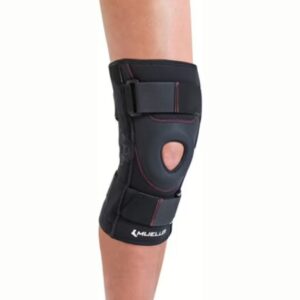 Selection helpWhich orthosis is right for you?Knee, ankle and wrist orthoses with light, medium and strong support – choose the body part and situation.Find the right orthosis →
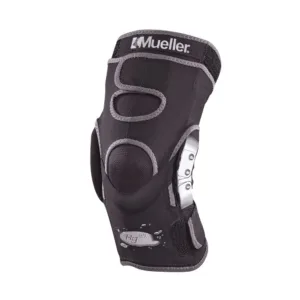 EnimmüüdudMueller® Hinged Knee OrthosisHinged support for the knee after injury and in sports.€64.50View product →