DEFINITION
Lordosis is an excessive forward curvature or concavity of the lumbar spine. Normal lumbar lordosis is 40–60° (Cobb's angle). In hyperlordosis, the angle exceeds the normal limit. Moderate lordosis is the normal physiological shape of the spine, but excessive lordosis causes problems.
REASONS
The causes of hyperlordosis are diverse and often interrelated:
- Tight hip flexors (iliopsoas) — pull the pelvis anteriorly (forward), increasing lumbar lordosis
- Weak abdominal and core muscles — unable to keep the pelvis in a neutral position
- Weak gluteus maximus — does not balance the pulling force of the hip flexors
- Anterior pelvic tilt — the pelvis is tilted forward, the lumbar spine is lordotic
- Excess weight, especially in the abdominal area — the center of gravity shifts forward, the lumbar spine compensates with lordosis
- Pregnancy — the growing belly changes the center of gravity
- High heels — change your entire posture
- Spondylolisthesis — displacement of a vertebra causes compensatory increases in lordosis
- Neuromuscular diseases — muscular dystrophies
CONSEQUENCES
Excessive lordosis places a disproportionate burden on the posterior structures of the spine:
- Overloading of facet joints — because the posterior structures bear more load, osteoarthritis develops more quickly
- Posterior compression of the intervertebral discs — increases the risk of disc prolapse
- Spinal stenosis — narrowing of the spinal canal in the supine position
- Isthmus stress fracture (spondylolysis) — especially in growing athletes
- Lower back pain — constant discomfort and soreness
- Disturbed gait pattern — compensatory movements
SYMPTOMS
- Visible excessive lumbar concavity — “sunken” lumbar spine
- Buttocks stand out prominently
- Stomach protrudes forward (even at normal weight)
- Lower back pain — especially with prolonged standing and walking
- The pain worsens when standing for long periods of time and bending the back backward.
- Muscle tension in the lumbar and hip area
- Fatigue when standing
DIAGNOSIS
- Clinical observation — when viewed from the side, the lumbar lordosis is clearly increased
- Assessment of pelvic position — anterior tilt is often visible
- Thomas test — assessment of hip flexor shortening
- Muscle strain tests — hip flexors, hamstrings, lumbar muscles
- Muscle strength tests — abdominal muscles, gluteal muscles
- X-ray — measures the lumbar lordosis angle, rules out spondylolisthesis and other structural pathologies
- Functional tests — gait pattern analysis, squat pattern
RAVI
Exercise therapy is the cornerstone of treatment:
Stretching:
- Iliopsoas (hip flexors) stretch — half-kneeling stretch, 3×30 sec each side
- Rectus femoris stretch — lying on your stomach, bending your knee, pressing on your buttock
- Lumbar muscle stretch — pulling knees to chest, cat stretch
Strengthening:
- Abs — plank (start with 20 sec, increase to 60 sec), dead bug, Pallof press
- Glutes — bridge (3×15), hip thrust, squat with proper technique
- Pelvic tilt exercises — while lying on your back, pull your lumbar spine towards the ground, hold for 10 seconds
Posture correction:
- Conscious neutral pelvic position — learning to feel the correct position of the pelvis
- Ergonomic changes — chair lumbar support, standing position adjustment
- Footwear — avoid high heels
PREVENTION
- Regular balanced training — both flexor and extensor groups
- Daily stretching program for hip flexors
- Strong body — constant training of abdominal and gluteal muscles
- Weight control — reduces the load on the lumbar spine
- Active lifestyle — avoid prolonged sitting
- Proper exercise technique — especially during strength exercises, ensure a neutral back position
Please note: The information provided here is for general educational purposes only. It is not a substitute for professional medical advice. If you are injured, seek medical attention.
Found a bug? Let us know.
Category
◀ Back
Related articles
▶ Ankylosing spondylitis▶ Disc prolapse▶ Facet joint pain syndrome▶ Kyphosis or hunchback▶ Vertebral body or compression fracture▶ Radiculitis or Sciatica← All articles
See all 120 sports injury articles


 Selection helpWhich orthosis is right for you?Knee, ankle and wrist orthoses with light, medium and strong support – choose the body part and situation.Find the right orthosis →
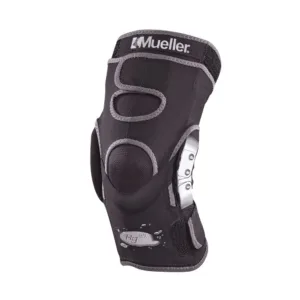 EnimmüüdudMueller® Hinged Knee OrthosisHinged support for the knee after injury and in sports.€64.50View product →