Physical activity is good for your health, but for certain medical conditions, intense physical activity can be dangerous and even life-threatening. Knowing the contraindications is important for athletes, coaches, and recreational athletes alike. This article will help you understand when exercise is prohibited, when it is allowed with restrictions, and how to safely return to exercise.
What do contraindications mean?
Contraindications to physical activity are medical conditions in which exercise may pose a health risk. They are divided into two categories:
Absolute contraindications — exercise is strictly prohibited until the condition stabilizes. Exercising during these conditions can be life-threatening.
Relative contraindications — exercise is allowed with restrictions and under medical supervision. Individual risk assessment is required.
It is recommended to consult a doctor before starting a new exercise program, especially if you have chronic illnesses, previous heart problems, or other risk factors.
Absolute contraindications
Physical exercise is strictly prohibited in the following conditions:
- Acute myocarditis (inflammation of the heart muscle) — exercise can cause life-threatening arrhythmias. Prohibited for at least 3–6 months
- Unstable angina — the risk of myocardial infarction increases during exercise
- Severe aortic valve stenosis — fainting or cardiac arrest may occur during exertion
- Acute pulmonary embolism or deep vein thrombosis — stress can cause the clot to move
- Acute aortic dissection — stress raises blood pressure and increases the risk of rupture
- Uncontrolled heart rhythm disorders — tachyarrhythmias may worsen during exercise
- Acute decompensated heart failure — the heart cannot cope with the increased load
- Acute pericarditis — inflammation of the pericardium
- Hypertrophic obstructive cardiomyopathy — risk of sudden cardiac death, especially in young athletes
Relative contraindications
In the following conditions, exercise is permitted with restrictions and under medical supervision:
- Uncontrolled high blood pressure (systolic >180 and/or diastolic >110 mmHg)
- Moderate heart valve failure
- Electrolyte imbalances (hypokalemia, hypomagnesemia)
- Severe anemia (hemoglobin below 80 g/l)
- Uncontrolled diabetes (blood sugar above 14 mmol/l with ketosis)
- Hyperthyroidism (thyrotoxicosis)
- Acute infectious disease with fever (>38 C) — important for athletes!
- Chronic kidney disease at a more severe level
- Pregnancy complications (preeclampsia, placenta previa)
What should an athlete know?
Exercising with a fever
A fever above 38 degrees is absolute contraindication According to the “neck rule”: if symptoms are above the neck (fever, muscle aches, fatigue), then exercise is prohibited. The risk of myocarditis is real, especially in cases of viral infections.
Returning to training after illness
A mild upper respiratory infection without fever allows for light exercise, but listen to your body. After a febrile illness, wait at least 1-2 days after the last fever subsides.
Special risks for young athletes
Hypertrophic cardiomyopathy is the most common cause of sudden cardiac death in young athletes. Screening with an ECG is important.
Load recovery instructions
| Status | Return to training |
|—|—|
| Acute infection | 1–2 weeks after symptoms resolve |
| Myocarditis | At least 3-6 months under medical supervision |
| Surgery | 4–12 weeks depending on type |
| Fracture | After bone healing, 6–12 weeks |
| Pulmonary embolism | 3–6 months after switching to anticoagulant therapy |
General rule: Start at 50% of your normal intensity and gradually increase the load by 10-20% per week.
Sports medicine health check-up
A health check is recommended in the following cases:
- Before starting competitive sports
- Age over 35 and starting a new exercise program
- Known cardiovascular diseases or risk factors
- Family history of early heart disease (under 50 years)
- Unexplained fainting, chest pain, or shortness of breath on exertion
- After a long illness or injury break
The health check includes: history, physical examination, resting ECG and, if necessary, stress test.
Danger signs during exercise
Finish the workout. time and contact your doctor if you experience:
- Chest pain, pressure, or tightness
- Unexplained shortness of breath
- Dizziness or feeling faint
- Heart rhythm disorders (palpitations, skipped beats)
- Severe headache
- Visual disturbances
- Nausea and vomiting on exertion (not heat-related)
Frequently Asked Questions (FAQ)
Can I exercise if I have a cold?
A mild cold without fever usually allows for light exercise. Use the “neck rule”: symptoms only above the neck (runny nose, sore throat) — light exercise allowed. Below the neck (fever, muscle aches, cough) — exercise prohibited.
Can I go to the gym if I have high blood pressure?
Moderate strength training is permitted with controlled hypertension (normal with medication). Avoid maximal lifts and the Valsalva maneuver. Uncontrolled hypertension is a contraindication.
Can you exercise intensively if you have diabetes?
Exercise is even recommended for people with controlled diabetes. It is important to monitor blood sugar levels before, during, and after exercise. Exercise is prohibited in cases of ketosis (blood sugar >14 mmol/l).
What is myocarditis and why is it dangerous for athletes?
Myocarditis is an inflammation of the heart muscle, often a complication of a viral infection. Exercising during inflammation can cause life-threatening arrhythmias. Therefore, exercising with a fever is prohibited.
Summary
Knowing the contraindications to physical activity is important for the safety of every athlete and trainer. In case of absolute contraindications, exercise is strictly prohibited. In case of relative contraindications, consult a doctor. Exercising with a fever is always prohibited. A sports medicine health check is recommended for anyone starting a new exercise program.
This article is for informational purposes only and does not replace a doctor's consultation.
Please note: The information provided here is for general educational purposes only. It is not a substitute for professional medical advice. If you are injured, seek medical attention.
Found a bug? Let us know.
Category
◀ Useful
Related articles
▶ FIRST AID (RICE)▶ BODY MASS INDEX AND WAIST CIRCUMFERENCE▶ WHY DOES IT MATTER?▶ CAUSES OF SPORTS INJURIES▶ OVERTRAINING TREATMENT▶ “SORE MUSCLES” or MUSCLE PAIN SYNDROME← All articles
See all 120 sports injury articles


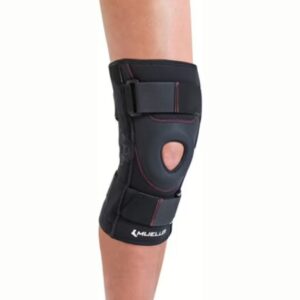 Selection helpWhich orthosis is right for you?Knee, ankle and wrist orthoses with light, medium and strong support – choose the body part and situation.Find the right orthosis →
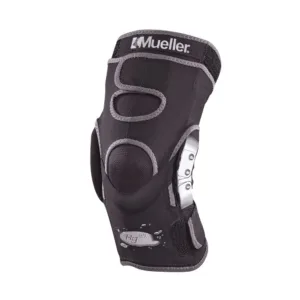 EnimmüüdudMueller® Hinged Knee OrthosisHinged support for the knee after injury and in sports.€64.50View product →