The risk of hamstring injury recurrence is extremely high — up to 30% of athletes will re-injure the same hamstring within the first year of the initial injury. This is a worrying statistic that highlights the importance of systematic prevention. Nordic hamstring training has been shown in studies to reduce the risk of re-injury by up to 51%.
Why does hamstring injury recur?
The high frequency of repetitive strain injury is due to several interrelated factors:
Inadequate rehabilitation is the main reason. Often, an athlete returns to training before the muscle is fully healed — the absence of pain does not mean health.
Scar tissue formation At the site of injury, the muscle loses its elasticity and becomes weaker than the surrounding tissue. Scar tissue is not as strong as healthy muscle tissue.
Compensatory movement patterns — during an injury, the body learns to use other muscles, which remain even after healing and place uneven strain on the hamstring.
Imbalance of power — the ratio of the forces between the anterior and posterior thigh muscles is disturbed. The eccentric strength of the hamstring is often insufficient.
Weak gluteal muscles and poor pelvic control increase the load on the hamstrings during running.
Who is at the highest risk of repetitive strain injury?
- Athletes who returned to sports before full recovery
- Previous hamstring injury in older athletes (over 25 years)
- Athletes with deficient eccentric strength
- Runners and sprinters (high speed increases risk)
- Football players (sprint + changes of direction)
- Athletes with inadequate warm-up
Evidence-based prevention exercises
Nordic hamstring exercise (NHE)
This is the most evidence-based prevention exercise, reducing the risk of hamstring injury by up to 51%.
Execution:
1. Kneel on a pillow, partner holds your heels (or attach a barbell under your feet)
2. Keep your body straight from the hips up
3. Slowly lower your body forward, braking with your forearm mass
4. Hold for as long as you can, then lower yourself to your hands
5. Push yourself back to the starting position with your arms
program:
- Week 1–2: 2 times a week, 2 sets x 5 reps
- Week 3–4: 2 times a week, 3 sets x 6–8 reps
- Week 5+: 2–3 times a week, 3 sets x 8–12 reps
- Keep it up all season long!
Eccentric training
Romanian deadlift:
- Two-legged: 3 x 10, moderate weight
- Single-leg RDL: 3 x 8 on each leg — especially important for symmetry
- Focus on the slow lowering phase (3-4 seconds)
Sliding leg curl:
- Lie on your back with your feet on sliders.
- Pull your heels towards your buttocks, then slowly straighten them.
- 3 x 8–10 reps
Eccentric knee flexion:
- Machine (leg curl): lift with both legs, slow lowering with one leg (5 seconds)
- 3 x 6 on each leg
Activation of the gluteal muscles
Strong gluteal muscles significantly reduce the load on the hamstrings.
Hip thrust:
- Two-legged: 3 x 15, progressive with barbell
- Single leg: 3 x 10 on each leg
Squats and single-leg squat variations:
- Bulgarian squat (back leg on bench): 3 x 10 on each leg
- Pistol squat modifications
Side steps with resistance band:
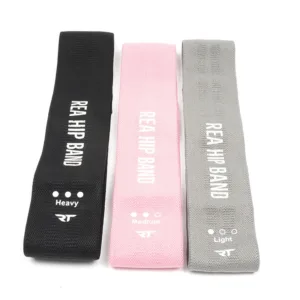
- Miniband around the knees, half-squat steps to the side
- 3 x 15 steps in each direction
Mobility exercises
Before training (dynamic):
- Leg swings forward and backward: 2 x 15 on each leg
- Frankenstein Steps (straight leg forward): 2 x 10
- Imitation of lifting run (A-skip): 2 x 15
After exercise (static):
- Hamstring stretch (straight leg forward bend): 3 x 30 seconds on each leg
- Yoga exercise: downward dog, 3 x 30 seconds
Criteria for returning to sports
Before full load must be achieved everything the following criteria:
1. Pain-free running — including sprinting at maximum speed
2. Full mobility — symmetrical with a healthy leg
3. Symmetrical force — less than 10% difference from the healthy leg (measured with an isokinetic dynamometer)
4. Eccentric force — sufficient number of Nordic hamstring repetitions
5. Sports-specific tests — sprints, changes of direction, jumps
6. Athlete's confidence — psychological readiness
Warning signs — stop now
- Mild pain back of the thigh during exercise — don't ignore it!
- Feeling tense in the hamstring that does not go away with warming up
- Discomfort when accelerating a sprint
- In the case of a repeat injury, the recovery period is usually longer than for a primary injury.
Frequently Asked Questions (FAQ)
How long should you do the Nordic hamstring exercise?
Throughout the season, at least 2 times a week. The preventive effect disappears if the exercise is discontinued.
Does stretching prevent hamstring injury?
Stretching alone is not enough. Eccentric strength training is a much more effective prevention strategy. Stretching is an additional, not a primary measure.
When can you start sprinting after a hamstring injury?
Only after you have completed all phases of recovery and meet the criteria for returning to sport. Sprinting too early is the most common cause of re-injury.
Do squats at the gym help prevent hamstring strains?
Squats mainly strengthen the front of the thigh and the buttocks. Specific exercises are needed for the hamstrings — Nordic hamstring, Romanian deadlift, and eccentric knee flexion.
Summary
Preventing hamstring re-injury requires a systematic and long-term approach. Nordic hamstring training is the most evidence-based preventive measure. Combine it with eccentric training, gluteal strengthening, and adequate mobility training. Do not return to sports until all return criteria are met.
This article is for informational purposes only and does not replace a doctor's consultation.
Please note: The information provided here is for general educational purposes only. It is not a substitute for professional medical advice. If you are injured, seek medical attention.
Found a bug? Let us know.
Category
◀ Back of the thigh
Related articles
▶ Chronic hamstring tendinopathy▶ Hamstring rehabilitation▶ Hamstring strain injury▶ Pain in the sciatic region (sciatica)← All articles
See all 120 sports injury articles


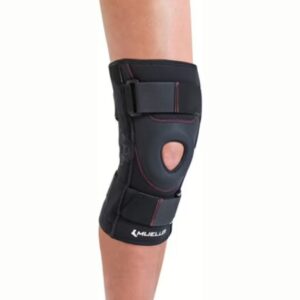 Selection helpWhich orthosis is right for you?Knee, ankle and wrist orthoses with light, medium and strong support – choose the body part and situation.Find the right orthosis →
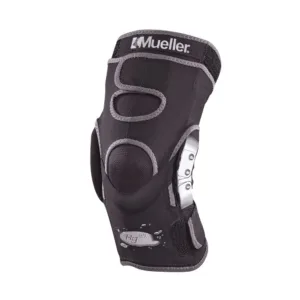 EnimmüüdudMueller® Hinged Knee OrthosisHinged support for the knee after injury and in sports.€64.50View product →